

Classic Sourdough
New to sourdough baking? This recipe, created especially for us by Mary Grace Quigley, is the perfect place to start.

You will need:
450g of baker’s flour
50g of wholemeal flour
375g of water
10g of salt
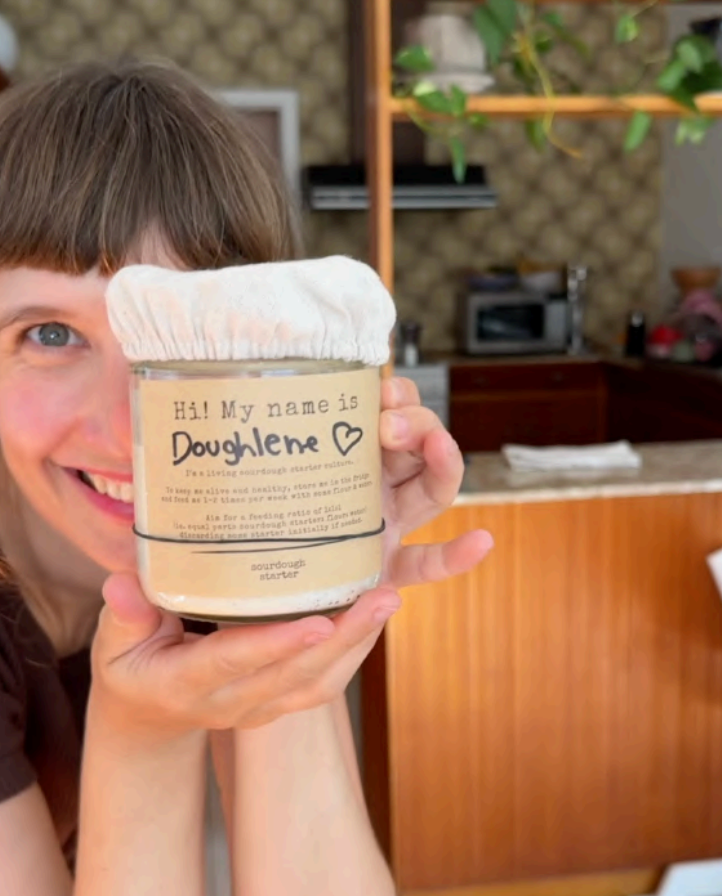
50g of your bubbly sourdough starter
*Plain/all-purpose flour can be used instead of baker’s flour - just check the back of the packaging to see that it has at least 10g of protein per 100g.
*If you don’t have wholemeal flour, it’s fine to use 100% baker’s flour (so 500g total)
We love this recipe because it allows you to mix your dough in the evening while you’re making dinner and have bread ready to bake the very next morning.
If you can start around 2-3 hours before you go to bed, you can look forward to enjoying fresh sourdough for breakfast!
Alternatively, you can also make bread during the day. You could mix the dough in the morning and then approximately 12 hours later shape and bake your loaf. You can also ‘pause’ the process by leaving the shaped dough in the fridge for up to 24 hours, until you’re ready to bake it.
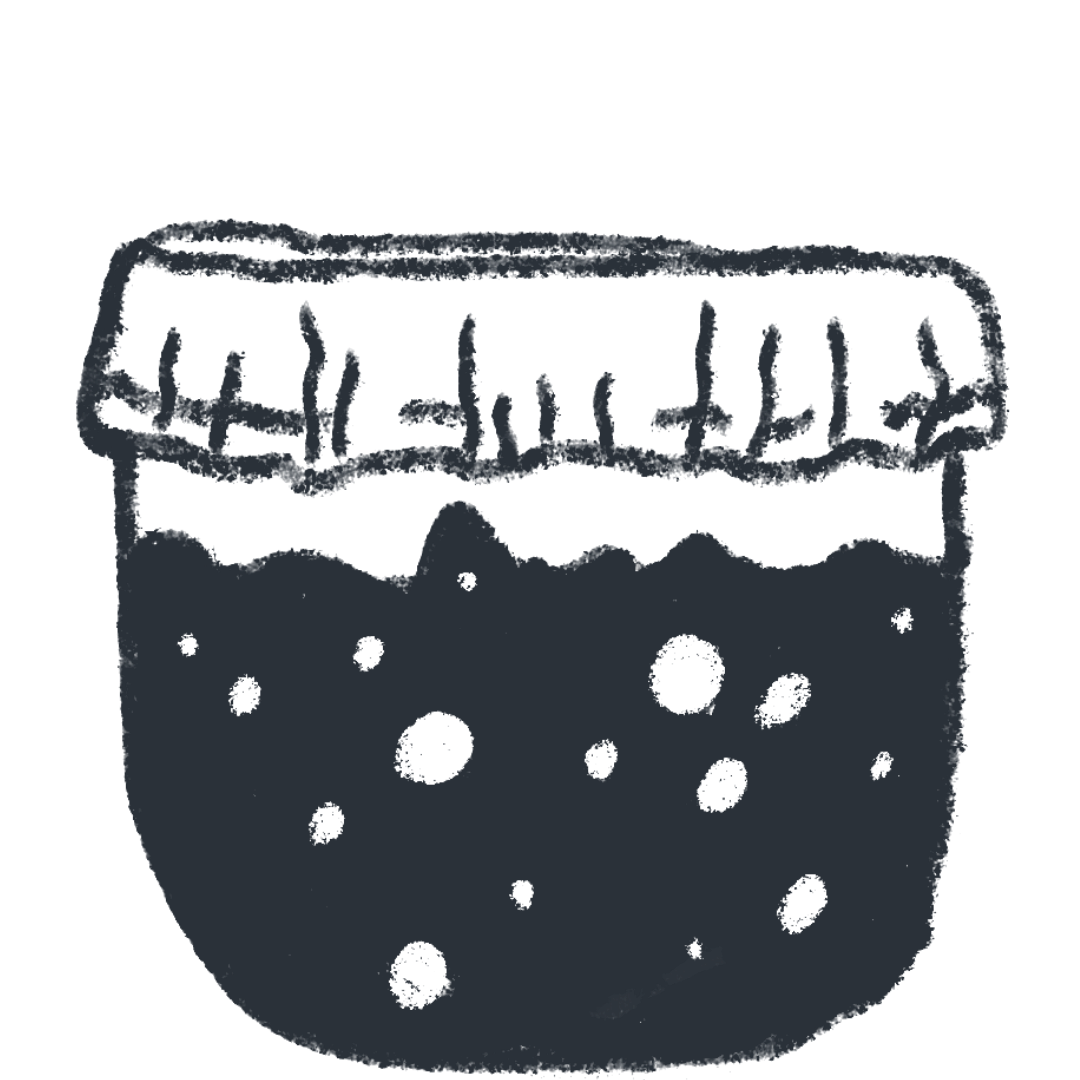
To get the best rise, you want your starter to be nice and bubbly when you use it.
If possible, give it a feed 1-2 hours before you’re ready to begin the first step below, then leave it somewhere warm. This ensures that it is at its most active when it’s time for action.
Not sure if your starter is ready? Try the FLOAT TEST
Combine Starter, Salt & Water
Combine your bubbly sourdough starter with salt and room temp water in a large mixing bowl.
Use your Danish dough whisk (or a wooden spoon) to mix until a milky liquid forms.
Add flour
Add both the bakers flour and wholemeal flour and continue to mix, eventually using wet hands as the dough comes together into a sticky mass.
Make sure no dry flour is visible.
Leave the dough to rest on the bench covered with a wet tea towel for approximately 15 minutes.
Stretch & Fold
Next, to develop the gluten in your dough, do a ‘stretch and fold’ by picking up some dough from the edge of the bowl and pulling it in towards the centre.
Repeat, continuing in a circular motion until your dough forms a tighter ball-like shape.

Leave to proof
Now you can completely abandon your dough overnight, leaving it on the counter covered with a wet tea towel.
The dough will continue to develop while you sleep.
Note: If you like, you can give it some additional stretch-and-folds about once an hour before you go to bed. They’re not essential, but will help to build dough strength and make an extra beautiful loaf.
The next morning...
(this is the fun part!)




Pre-heat the oven
After your dough has been at room temp for 10-13 hours it should be fully proofed and ready to shape.
To check if your dough is fully proofed, try the Poke Test.
When your dough is proofed, preheat your oven to around 240°C / 465°F with a Dutch Oven/Cast Iron Pot inside.
You can bake your sourdough on a standard heavy-duty baking tray by creating an external steam source in your oven. Simply place a shallow pan of boiling water on the bottom rack during the first 20 minutes of baking to ensure the crust stays supple enough for a great "oven spring."
Watch it closely when it comes time to bake - without a cast iron pot your bread will probably need 5-10 mins less time in the oven than the timings we list below.
Shaping the dough
For that perfect 'bread spring' we recommend a shaping technique called Surface Tension Shaping.
Flip your shaped ball of dough over so that the smooth side is on top. Sprinkle a bit of flour on top of the loaf.
(A Dough Scraper is useful here, if you have one)
Give it a few pats to distribute the flour.
Take your banneton and sprinkle a little flour inside (rice flour is best if you have it). Then plop your dough inside, with the smooth side facing down.
Pull the edges of the dough in towards the centre one last time, to create even more tension for a more springy loaf. Then sprinkle a little flour on top.
Return the shaped dough to the fridge while the oven continues to heat up.
Don't have a banneton? Use a deep bowl lined with a tea towel.
Scoring
Around 15 minutes later, or as soon as your oven is fully preheated, prepare a piece of baking paper slightly larger than your loaf.
Tip your dough out of the banneton and place it onto the baking paper with the smooth side facing up. Coat with a little extra flour.
Use your bread lame to score a cross shape into the top of the loaf.
This video shows how to safely attach a razor blade to your lame. Be careful, it is VERY sharp!
Don't have a bread lame? Your can use the tip of a very sharp knife.
Baking!
Very carefully, using good oven gloves to avoid burning yourself, remove your cast iron pot from the oven. Sit your dough atop the baking paper and place it into the pot.
Lightly spray the dough with water (or flick some with your fingers) and replace the lid of the pot. This helps create a steamy environment for your loaf.
Oven Temps & Times
1. Bake with the lid on at 240°C / 465°F for 10 minutes.
2. Then, reduce the temperature to 220°C / 430°F and bake for a further 25 minutes.
3. Then finally, remove the lid and bake for a further 10-15 minutes, or until your loaf is golden brown.
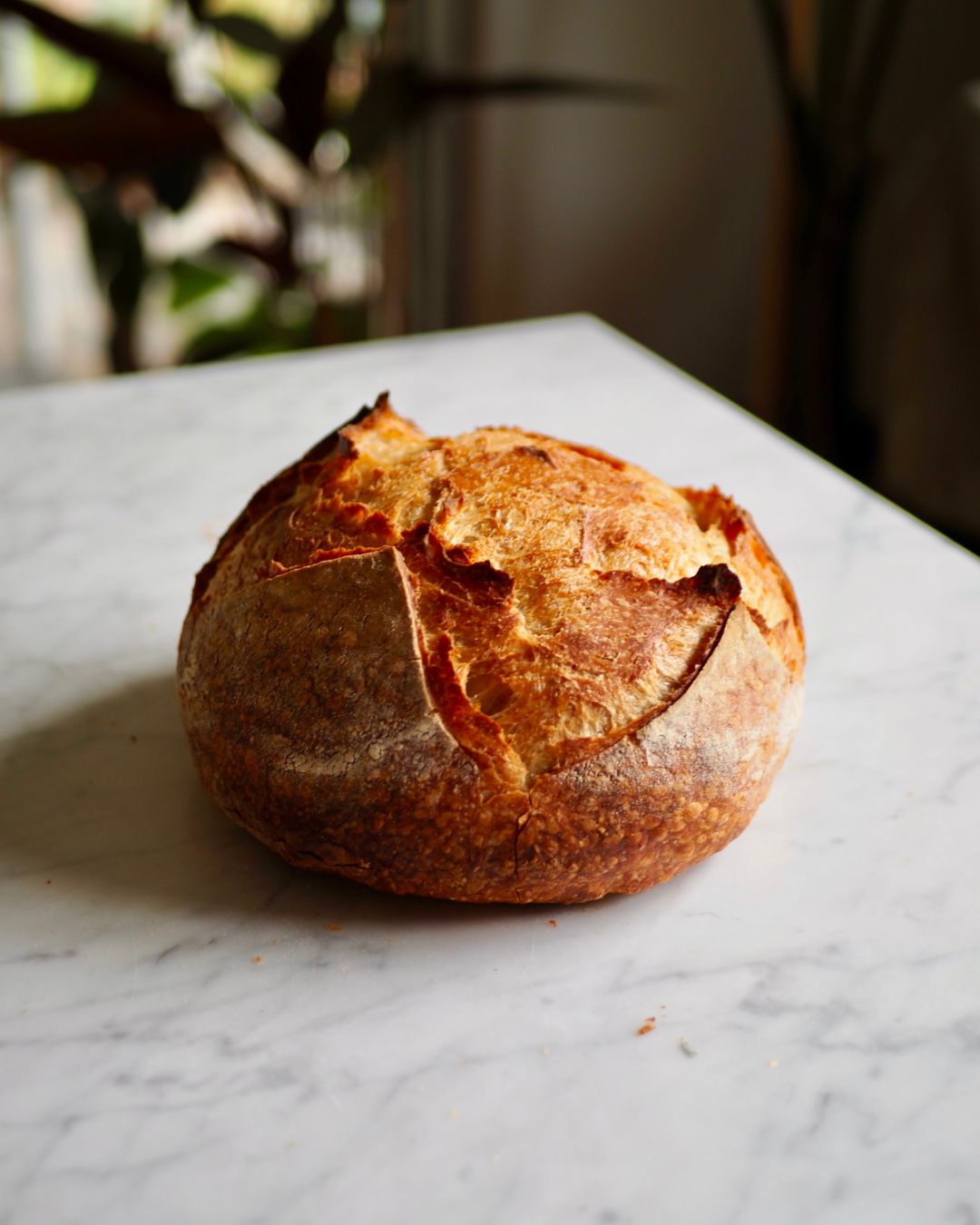
Remove your loaf from the oven and place on a cooling rack.
Hot Tip: Wait at least one hour before slicing to allow the starches to set and moisture to redistribute, ensuring a light, airy crumb instead of a gummy texture.
...that's if you can hold yourself back! Zero judgement from us if you can't :)

You did it!
Enjoy your delicious creation!
More Sourdough Recipes
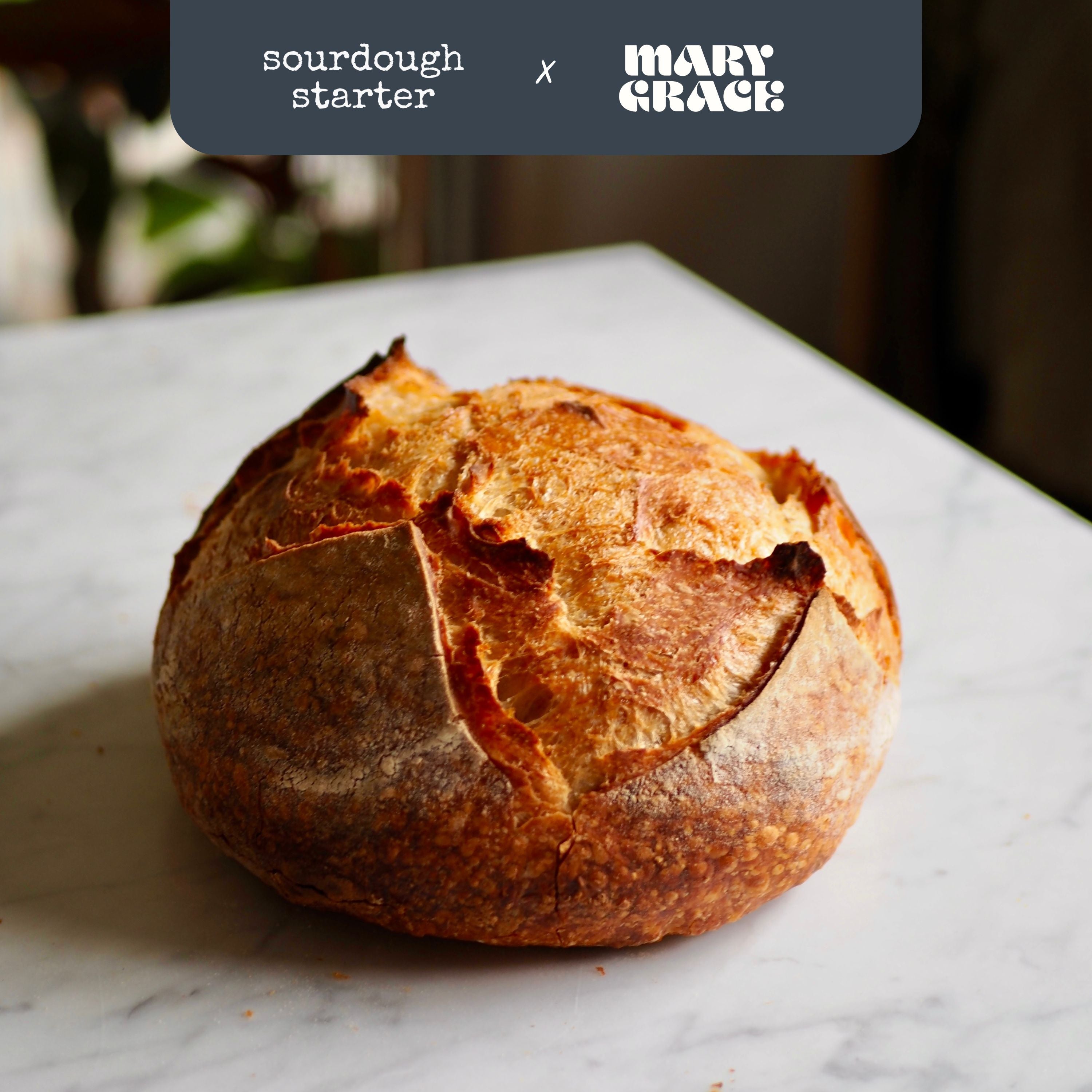
Created especially for Sourdough Starter, this recipe by Aussie sourdough baker Mary Grace Quigley iCreated especially for Sourdough Starter, this recipe by Aussie sourdough baker Mary Grace Quigley is our go-to for delicious sourdough bread. With just a few steps and simple techniques, it's a great one for beginners. We recommend giving your starter a good feed mid-afternoon, then starting this recipe in the early evening to set yourself up for freshly baked sourdough the following morning.
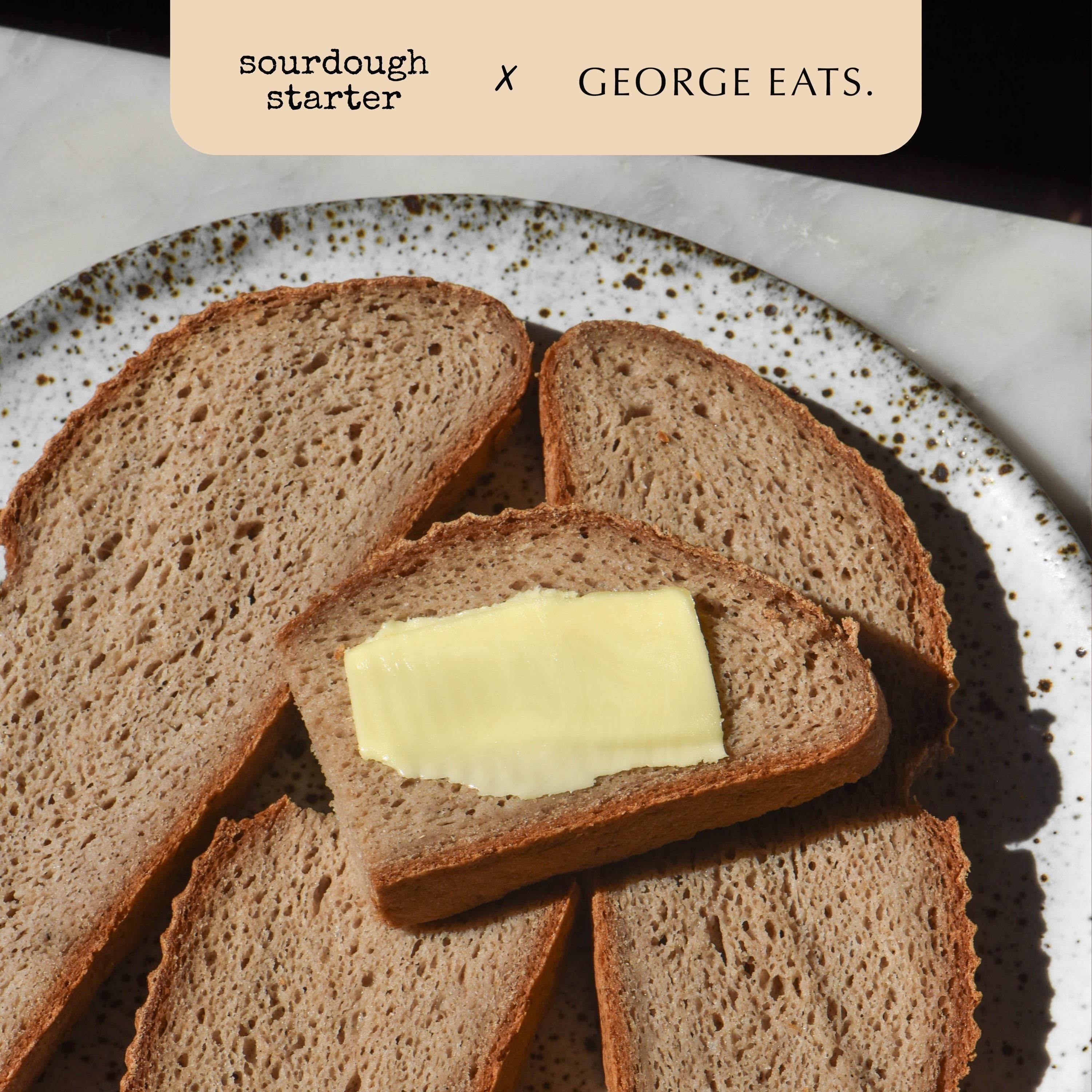
Created exclusively for Sourdough Starter by expert gluten-free recipe developer Georgia McDermott (Created exclusively for Sourdough Starter by expert gluten-free recipe developer Georgia McDermott (George Eats) is the ultimate guide to bakery-quality GF bread at home. If you've tried an failed with GF sourdough before, this is for you - Georgia has created a beautiful recipe that is 100% gluten-free, and 100% delicious.
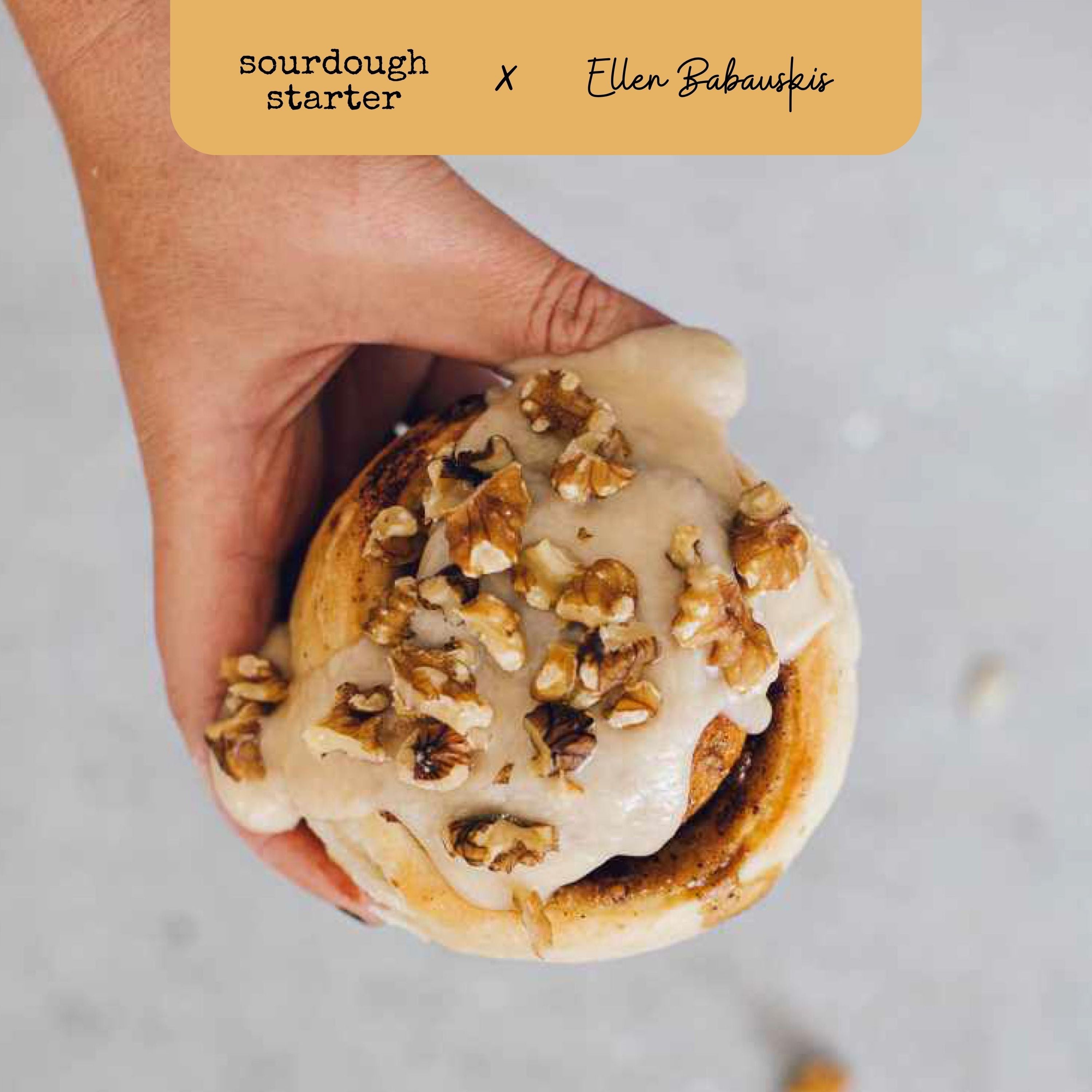
One of our favourite recipes from Ellen's Simple Sourdough book, these sourdough cinnamon rolls combOne of our favourite recipes from Ellen's Simple Sourdough book, these sourdough cinnamon rolls combine tangy and sweet flavours for a fluffy texture. Their comforting aroma makes them irresistible, whether fresh or reheated, adding warmth to your baking collection.
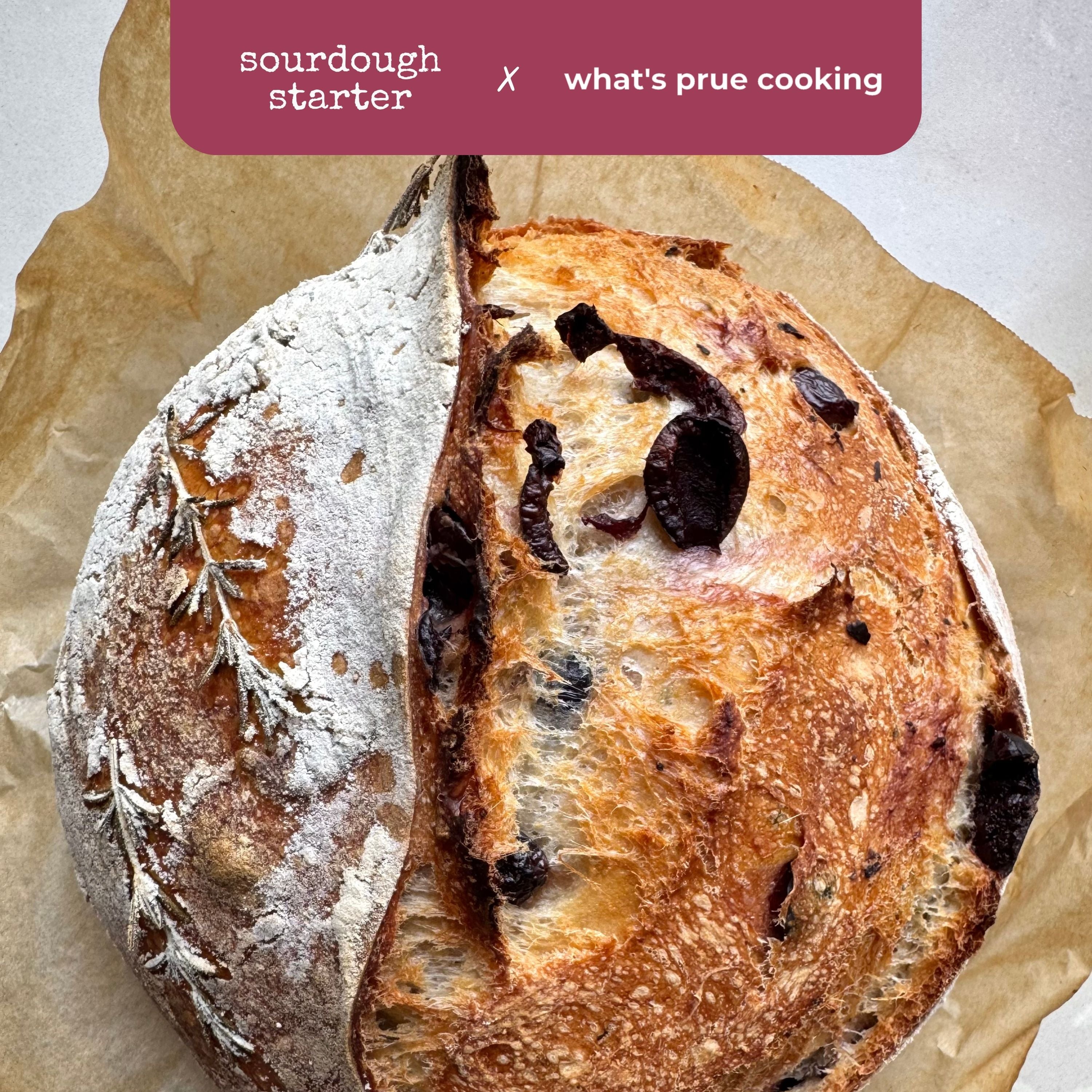
We're thrilled to share this delicious recipe created exclusively for Sourdough Starter by Prue MynaWe're thrilled to share this delicious recipe created exclusively for Sourdough Starter by Prue Mynard, an Accredited Practising Dietitian, cookbook author and recipe developer. This Olive and Rosemary Sourdough Loaf is a beautiful, savoury bake that we know you'll love adding to your sourdough repertoire.
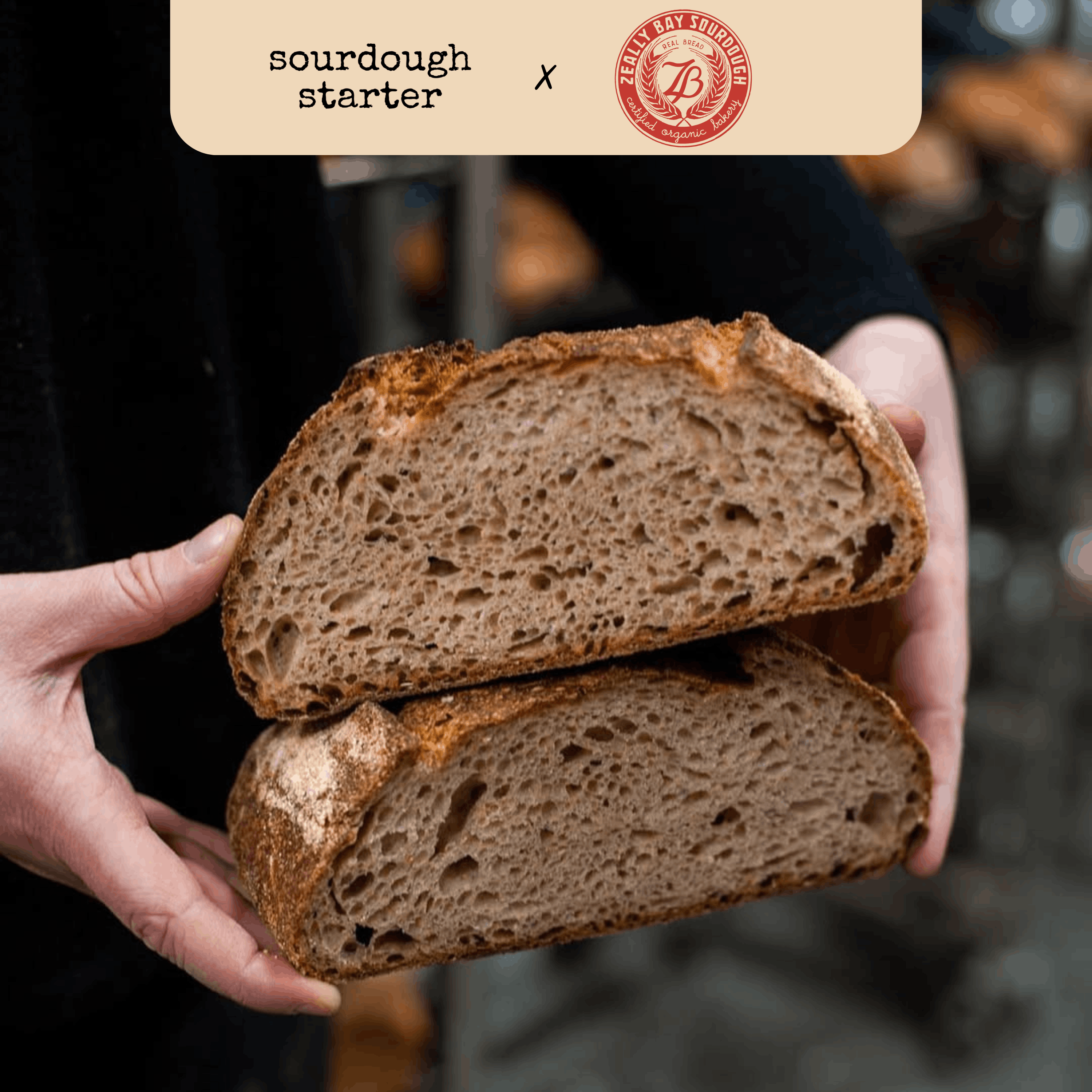
Kindly shared with Sourdough Starter by the wholefood artisans at Zeally Bay Sourdough, this unique Kindly shared with Sourdough Starter by the wholefood artisans at Zeally Bay Sourdough, this unique recipe blends Spelt, Buckwheat, and Polenta for a deeply flavourful loaf. Backed by over 40 years of baking heritage, it is a wonderful way to introduce ancient grains and wholesome textures into your sourdough routine.

Prepared exclusively for Sourdough Starter by Daniele Dolciotti, Head Pizza Chef at Farro restaurantPrepared exclusively for Sourdough Starter by Daniele Dolciotti, Head Pizza Chef at Farro restaurants, this recipe for delicious sourdough pizza bases offers a unique and flavourful twist on a classic favourite. By harnessing the natural power of your sourdough starter, you'll create a crispy and chewy crust with a tangy depth that complements your favourite toppings.